
Aligning User Goals, Business Goals, and Designer Goals in Every Project
Every design project looks simple on the surface.
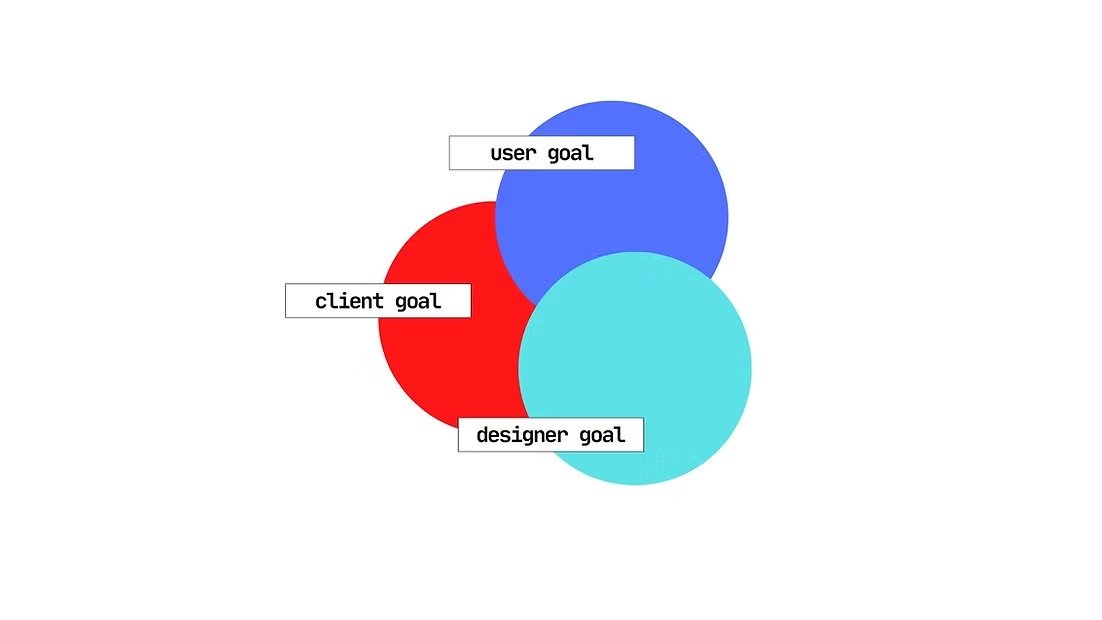
But underneath, there are three forces constantly pulling in different directions:
- Business Goals
- User Goals
- Designer Goals
And most projects fail not because of bad design
but because these three are not aligned.
Let’s break this down.
1. Business Goal – The Starting Point
Every project begins here.
What does the business actually want?
- More sales
- Better conversions
- Increased visibility
- Stronger brand presence
At the end of the day, the business cares about growth and results.
If your design doesn’t contribute to that
it doesn’t matter how good it looks.
2. User Goal – The Real Decision Maker
Here’s the truth:
👉 Users don’t care about your design.
👉 Users care about what they get.
So ask:
- Why should they click?
- Why should they trust?
- Why should they stay?
Maybe it’s:
- Better experience
- Clear information
- Emotional connection
- Solving a real problem
If the user doesn’t see value,
the business goal will never be achieved.
3. Designer Goal – The Most Ignored One
This is where things get interesting.
Most designers stop at:
👉 “I got paid, done.”
But that’s a missed opportunity.
Every project should also answer:
- Did I grow?
- Did I solve something meaningful?
- Did I improve my thinking?
- Did this push my portfolio forward?
When you design with your own growth in mind,
your work becomes sharper, more intentional, and more valuable.
Why Aligning All Three Is Hard
Now comes the real problem.
It’s not design.
It’s alignment.
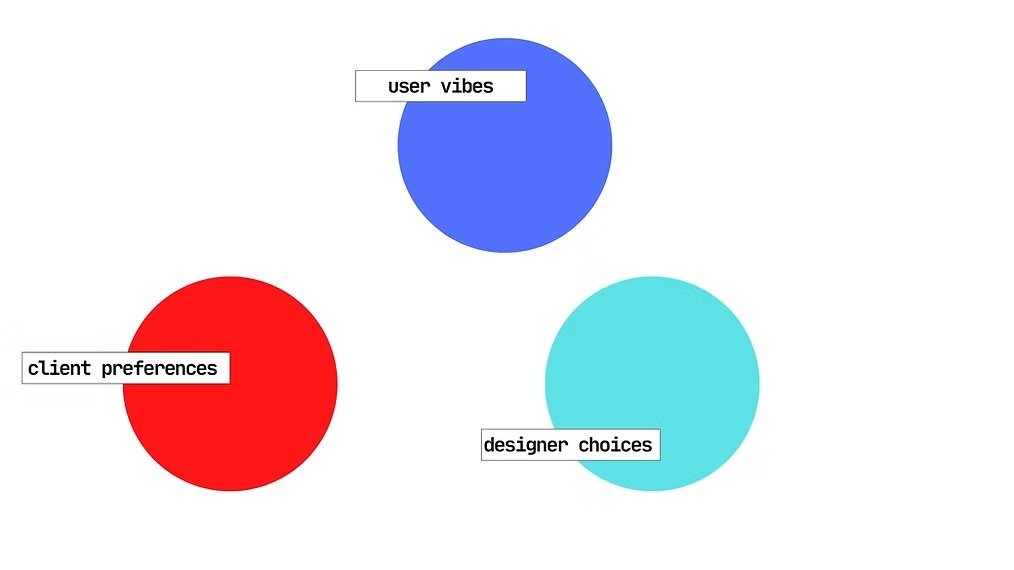
Because what you’re really dealing with is:
- Client preferences
- User expectations
- Designer decisions
Client Preferences
Clients operate from their experience bubble.
They may say:
- “I like this color”
- “I saw this on another website”
- “Let’s do something similar”
It’s not wrong it’s just limited.
User Expectations
Users operate on current trends and behavior.
- What feels natural?
- What feels intuitive?
- What feels trustworthy?
This changes constantly.
Designer Decisions
Designers operate on:
- Experience
- Research
- Usability principles
- Exposure to global standards
Most of the time, designers are closer to user expectations
but not always aligned with client thinking.
The Real Challenge
Let’s be honest:
👉 The hardest part of design is not designing.
👉 It’s getting the client to trust your decisions.
And yes
It’s not easy to challenge someone’s perspective (or ego).
How to Align Everyone (The Ishikawa Approach)
At Ishikawa Solutions, we don’t just design screens.
We align systems.
Here’s how you do it:
1. Show You Understand the Business
Before you design anything
prove you understand their goal.
Talk in their language:
- Revenue
- Growth
- Conversion
- ROI
👉 This shifts you from “designer” to “strategic partner.”
2. Connect Every Design to User Behavior
Don’t say:
❌ “This looks better”
Say:
✅ “This improves clarity and increases user action”
Example:
“We used this color because it improves contrast and directs attention to the CTA.”
Clarity builds trust.
3. Communicate With Confidence (Not Ego)
If you sound unsure, clients will doubt you.
If you sound clear, they will listen.
Confidence means:
- You’ve thought it through
- You have reasoning
- You can explain decisions
Not arrogance clarity.
4. Show Proof, Not Just Opinions
Sometimes logic isn’t enough.
You need evidence.
Use:
- Past work
- Case studies
- Testimonials
- Engagement results
- Even positive feedback screenshots
👉 People trust what others have already trusted.
Internal Insight
👉 You can also explore our insights on Design Thinking & Iteration to understand how great solutions evolve over time.
Final Thought
Alignment is everything.
When:
- The business sees results
- The user finds value
- The designer grows
That’s when design works.
Not just visually
but strategically.
At Ishikawa Solutions, we believe:
👉 Design is not decoration
👉 Design is alignment
👉 Design is acceleration